
I’ll Always Keep the Engine Running
항상 엔진을 켜둘게
Deli Spice · 델리스파이스
“항상 엔진을 켜둘게” was written by Kim Min-gyu and Kim Dong-young, composed by Kim Min-gyu, and released in September 2001 as part of Deli Spice’s fourth album, D. The song had an earlier life before the album — an acoustic version recorded for a compilation project — but was re-recorded to fit the fuller sound of D.

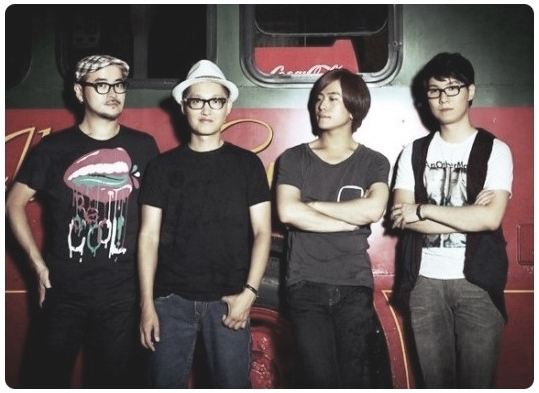
Deli Spice is one of the defining bands of the early Korean indie scene. Formed in 1994 and led by vocalist Kim Min-gyu and guitarist Yoon Jun-ho, the band built their sound around melodic pop sensibilities and rock instrumentation — a combination that helped shape the direction of Korean indie music through the late 1990s and early 2000s. “항상 엔진을 켜둘게” became one of their most enduring songs, and remains a fixture of Korean indie playlists more than two decades later.
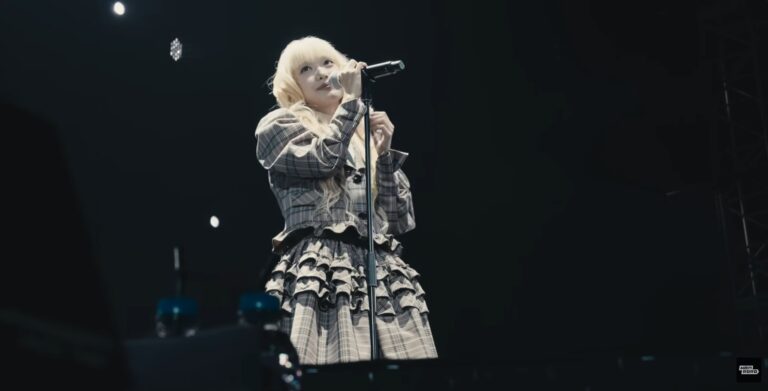
항상 엔진을 켜둘게 Live performance 2018.8.2
항상 엔진을 켜둘게
“I’ll Always Keep the Engine Running” is the translation that has circulated most widely — the version used when Korean broadcast channels have introduced the song with an English title. It follows a pattern common to Korean song titles in English: a structural, word-for-word translation that maps the grammar of the original onto the target text, without interpretation or adjustment for what might be lost along the way. The promise (“I’ll” / “~ㄹ게”), the constancy (“always” / “항상”), the action (“keep” / “켜”), the object (“the engine running” / “엔진을”) — all present and accounted for. For a listener encountering the song for the first time, it communicates the essential image quite cleanly.
What it loses is harder to describe. In this song, “켜둘게” carries the texture of a quiet, private vow — softer than a declaration, more personal than a statement of intent. The “-ㄹ게” ending is one of those grammatical markers that Korean handles with ease and English struggles to replicate: it signals a promise made not to the world, but to one specific person, in a register somewhere between “I will” and “I promise you.” “I’ll keep the engine running” doesn’t quite hold that intimacy. It reads as a plan rather than a pledge.
There is also the matter of tone. “I’ll Always Keep the Engine Running” reads as an act of will — determined, deliberate, almost defiant. And on the surface, that is what the lyrics say. But the song doesn’t quite end there. The final lines complicate the promise: “돌아오지 않더라도 난 여기에 서있겠지, 아마 엔진을 켜둔채” — even if you don’t come back, I’d still be here waiting, probably with the engine running. The certainty quietly gives way to resignation. An alternative like “I’ll Leave the Engine On” would sit closer to that register — “leave” suggesting something not actively maintained but simply not switched off, a waiting that has made its peace with the possibility of waiting forever. “I’ll Always Keep the Engine Running” doesn’t capture that shade. But it holds the promise, even if it does not fully convey the meaning underneath.
All of that said, direct translation has its own kind of honesty. Moreover, it is the version that Korean broadcast channels have chosen. Going against that carries its own risks — and even if an alternative might sit closer to the original, that is not a case worth making at the expense of a title this widely circulated. So “I’ll Always Keep the Engine Running” is the title used here.
Korean / English Lyrics
A night before the weekend / In the empty hours before dawn
도로를 질주해서 바닷가에
Racing down the road, to the shore
아직은 어두운 하늘 / 천평궁은 빛났고
The sky yet dark / Libra was shining
차 안으로 스며드는 찬 공기들
Cold air seeping through the car
기다릴게 언제라도 출발할 수 있도록
I’ll wait, so we can leave at any moment
항상 엔진을 켜둘게
I’ll always keep the engine running
너와 만난 시간보다 많은 시간이 흐르고
More time has passed than the time we were together
그 바닷가에 다시 또 찾아와
I find my way back to the shore
만약 그때가 온다면
If that time comes
항상 듣던 스미스를 들으며 저 멀리로 떠나자
Let’s put on the Smiths like we used to and drive far away
기다릴게, 언제라도 출발할 수 있도록
I’ll wait, so we can leave at any moment
항상 엔진을 켜둘게
I’ll always keep the engine running
돌아오지 않더라도 난 여기에 서 있겠지
Even if you don’t come back, I’d still be here waiting
아마 엔진을 켜둔 채
Probably with the engine running
기다릴게 언제라도 출발할 수 있도록
I’ll wait, so we can leave at any moment
항상 엔진을 켜둘게
I’ll always keep the engine running
돌아오지 않더라도 난 여기에 서 있겠지
Even if you don’t come back, I’d still be here waiting
아마 엔진을 켜둔 채
Probably with the engine running
Any attempt to interpret a song is, at its core, an act of presumption. The words on the page are the same for everyone; what they mean is not. What follows is my own reading — shaped by the choices I made in translation, the lines I kept returning to, and the particular way this song has settled in me over time. Others will hear it differently, and they will not be wrong. I offer this not as the meaning of the song, but as one way of sitting with it.

2003.3.15
Line by Line
“휴일” refers to any day off — a public holiday or simply a weekend. “휴일을 앞둔 밤” is the night before one of those days. “Friday night” can capture that feeling naturally in English — but the original doesn’t specify a day, and pinning it down would close off something the Korean leaves open. “Holiday” tilts too festive; “day off” too administrative. “A night before the weekend” is the closest approximation: not a special occasion, just a free one.
By the second line, the night has already become dawn. The Korean moves between the two without marking the transition — the hours have simply passed, the way they do when you have been driving long enough to stop noticing.
“질주” means to drive hard and fast — not racing toward something so much as simply moving with force, the way you do when the road is empty and there is nothing to slow you down. “Racing down the road” captures that physical momentum. The comma before “to the shore” is a small thing, but it earns its place — it lets the driving exist for a moment on its own terms, before the destination arrives.
“바닷가” is literally the edge of the sea — a shoreline, not the ocean itself. “The shore” holds that sense of a boundary, a place where the land runs out. It is where he ends up, though the song doesn’t yet say why.
“천평궁” is the Korean name for the constellation Libra — literally “the palace of the scales.” It is a detail so specific that it feels autobiographical, the kind of thing you only notice when you have been sitting still long enough to look up. Libra is the constellation of balance — and this is a song about someone waiting, holding themselves in suspension between going and staying, between hope and resignation. Whether that reading is intentional or not, the image earns it.
The cold air doesn’t rush in — it seeps. “스며드는” is a word that belongs to things that move slowly and quietly, finding their way through small gaps. It is the kind of detail that registers when everything else has gone still: the engine running, the road empty, the sky not yet light. The cold is simply there, the way it is when you have been sitting long enough for the car to stop feeling warm.
“기다릴게” is the first time the song speaks directly to someone. Everything before this — the empty road, the dark sky, the cold air seeping through — has been scene-setting. Here, the narrator finally turns toward another person.
“기다릴게” carries the same “-ㄹ게” ending discussed in the title: a quiet, private promise made to one specific person. “I’ll wait” holds that, though it can’t quite carry the intimacy of the original.
“언제라도 출발할 수 있도록” — so we can leave at any moment — tells us what the waiting is for. The original omits the subject entirely, as Korean often does. “I can leave” would make this the narrator’s departure alone; “we can leave” makes it a shared one. Given the context — someone waiting, engine on, for another person to return — “we” felt like the only honest reading. The waiting has a purpose, and that purpose is leaving together.
This is the line the song has been building toward. The empty road, the dark sky, the cold air, the waiting — all of it has been leading here. “항상 엔진을 켜둘게” is not just a promise to wait; it is a promise to stay ready. The engine is already on. It has been on this whole time.
The line also gives the waiting a physical form. An engine left running is not a metaphor that needs explaining — anyone who has sat in a parked car, waiting for someone who may or may not come back, knows exactly what it feels like.
This line marks a shift. The song moves from a single night to a much longer span of time — long enough that the time apart has now outlasted the relationship itself. “너와 만난 시간” is not just time spent together; it is the time of the meeting, the entire arc of the relationship. The fact that more time has now passed than that says something quietly devastating: whatever this was, it has been over for longer than it lasted.
“그 바닷가” — the shore. Not just any shore, but the one from the opening of the song: the place he raced to on an empty dawn road, alone. Now, after more time has passed than the relationship itself lasted, he is back. The same place, but everything else has changed.
“다시 또” is a small but telling detail — “again, once more,” a repetition that suggests this is not the first return. He has been coming back to this place, perhaps more times than he would care to count.
“만약” — “if,” not “when” — is doing quiet but important work here. The narrator is not certain the other person will return. The whole promise is built on a condition that may never be met.
“항상 듣던 스미스” brings the only proper noun in the song. The Smiths were a British rock band active in the 1980s, known for Morrissey’s melancholic lyrics and Johnny Marr’s melodic guitar work — a band whose music has always travelled well with longing and loss. That they are named specifically, rather than just “a song we used to listen to,” gives the line a weight that a generic reference couldn’t carry. They are a shorthand for a whole relationship.
Korean places the verb at the end of the sentence, so “떠나자” — let’s go — lands last, carrying the full weight of everything that precedes it. English doesn’t allow that same construction naturally, so “drive far away” takes its place at the end — close enough to preserve the feeling, if not the grammar.
This is the line the whole song has been building toward — and it changes everything that came before it. The promise of the chorus, repeated twice with conviction, quietly unravels here. “기다릴게,” “항상 엔진을 켜둘게” — all of that certainty now carries a condition it never acknowledged: what if you don’t come back at all?
“돌아오지 않더라도” doesn’t soften the possibility. It states it plainly. And the narrator’s response is not defiance, not despair — just a quiet resignation. He’d still be here. Probably with the engine running.
“I’d” rather than “I’ll” was a deliberate choice. The line sits inside a hypothetical — “even if you don’t come back” — and “I’d” carries that conditional weight more honestly than “I’ll,” which would assert the waiting as certain rather than imagined. “Waiting” was placed at the end of the clause rather than earlier, so that the sentence lands on the act itself, the way the Korean does.
“서있겠지” carries a subtle ambiguity in Korean — it can refer to the narrator standing in place, but also to the car itself, parked and idling. Both images collapse into one: a person and a machine, both still, both waiting, in a place the other person may never return to. “Still be here” was chosen over “still be standing” for exactly that reason — broad enough to hold both.
A Promise with No Expiry
At its core, this is a song about waiting — but not the kind that believes in itself. The chorus repeats its promise twice, with what sounds like conviction: I’ll wait, the engine always on, ready to leave at any moment. But the song has already shown us what that waiting looks like in practice. A person alone on an empty dawn road, driving to a shore with no particular reason to be there, sitting in a parked car as the cold air seeps through. The waiting is real. The conviction is less certain.
The final lines make that explicit. “돌아오지 않더라도” — even if you don’t come back — is not a dramatic admission. It arrives quietly, almost as an afterthought. And the narrator’s response is not to fight it or resolve it. Just: I’d still be here, probably with the engine running. That “probably” is everything. It is the sound of someone who has been waiting long enough to stop being sure of anything, except that they haven’t left yet.
The song ends without resolution — no return, no departure, just the engine running in an empty parking lot by the shore. Some songs earn their ambiguity by gesturing toward it. This one earns it by simply refusing to close. The waiting continues, or it doesn’t. Either way, the engine stays on.
Discover more from Translating Korea
Subscribe to get the latest posts sent to your email.